
Legal support in condominium, horizontal property and building management disputes
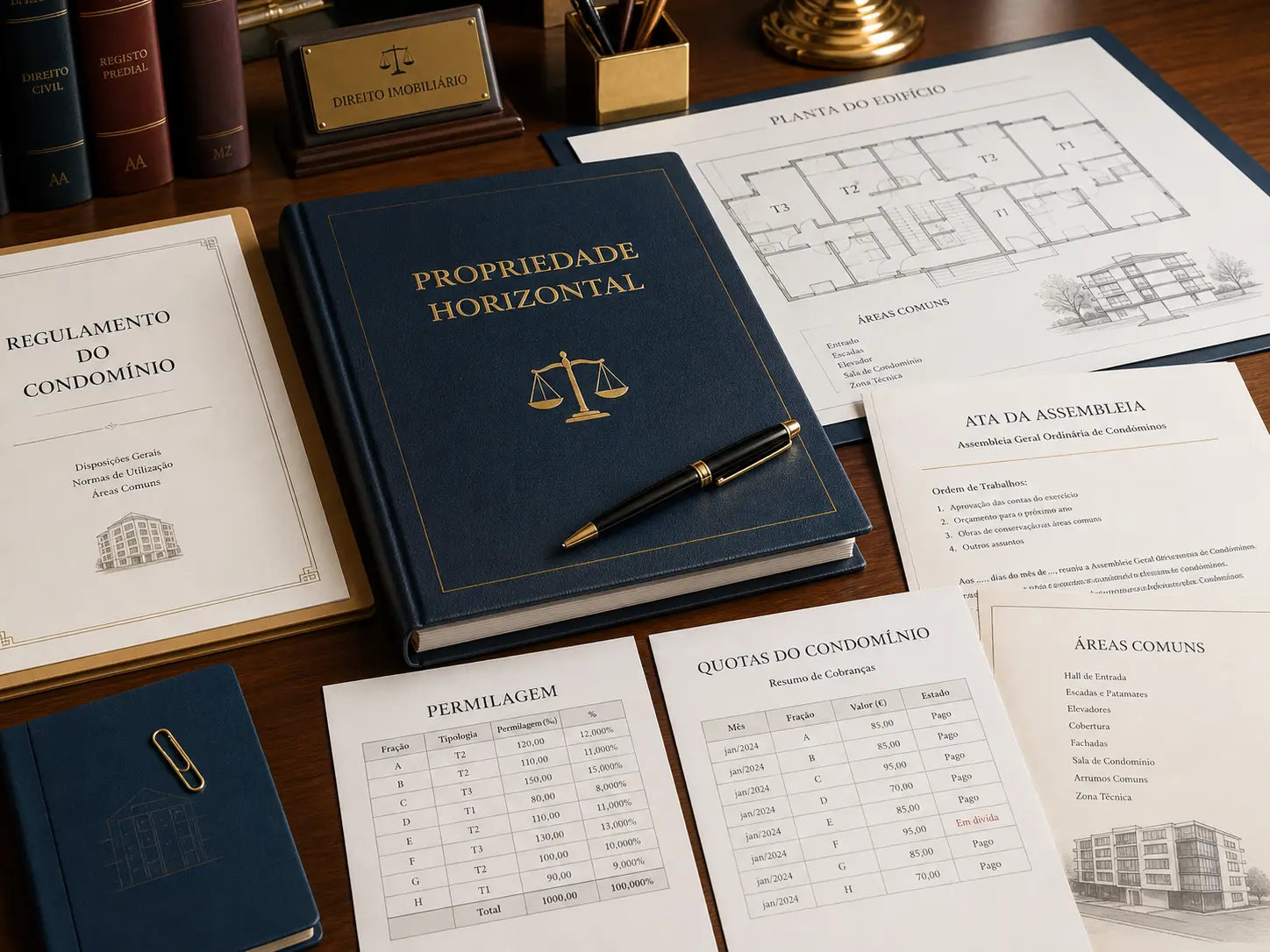
Horizontal property involves the rights and duties of co-owners over the individual units and the common parts of the building. Matters such as the payment of charges, use of common areas, works, noise, general meeting resolutions and the actions of the management body may give rise to disputes requiring legal analysis. We intervene in the interpretation of the deed of horizontal property, condominium regulations, minutes, resolutions and relevant documents, seeking appropriate solutions to prevent or resolve disputes between co-owners, management and third parties. Where necessary, we assist with complaints, challenges, debt recovery and court proceedings relating to the condominium.
Areas of intervention
We act in different situations related to condominiums and horizontal property, assessing rights, duties and lawful means of action.
Legal support at all stages
We support the client from the review of the condominium documents through to negotiation, challenge, recovery action or court involvement, where necessary.
Review of condominium documents
We check the deed of horizontal property, regulations, minutes, resolutions, notices and other relevant documents.
Resolving disputes between co-owners
We intervene in situations involving noise, works, common parts, improper use of spaces or non-compliance with the rules
Recovery of charges and amounts due
We assist with complaints and procedures intended to recover condominium charges or other amounts owed.
Challenge and defence of resolutions
We assess the legality of resolutions passed by the condominium owners’ meeting and assist with challenges to, or the defence of, actions taken.
Frequently asked questions
We clarify some of the most frequently asked questions about condominiums, horizontal property, fees, meetings and disputes between co-owners.
What is horizontal property?
Horizontal property is the legal regime applicable to buildings divided into independent units, such as flats or shops, with individual ownership of each unit and co-ownership of common parts existing simultaneously.
What can I do if a co-owner does not pay the fees?
The condominium may claim the sums due, including through the appropriate legal means. It is important to check the minutes, resolutions, approved amounts and documents proving the debt
Is it possible to challenge a resolution of the condominium meeting?
Yes. Where a resolution breaches the law, the deed of establishment, the regulations or the co-owners’ rights, it may be possible to challenge it within the applicable legal time limits.
Who is responsible for works on common parts?
As a rule, works on common parts are the responsibility of the condominium, but the answer may vary depending on the source of the problem, the type of work, the deed of establishment and any existing resolutions.
Book your legal consultation
Tell us about your situation. Our team will assess your request with rigour, confidentiality and attention to detail.