
Legal support in tenancy agreements, landlords, tenants and rental disputes
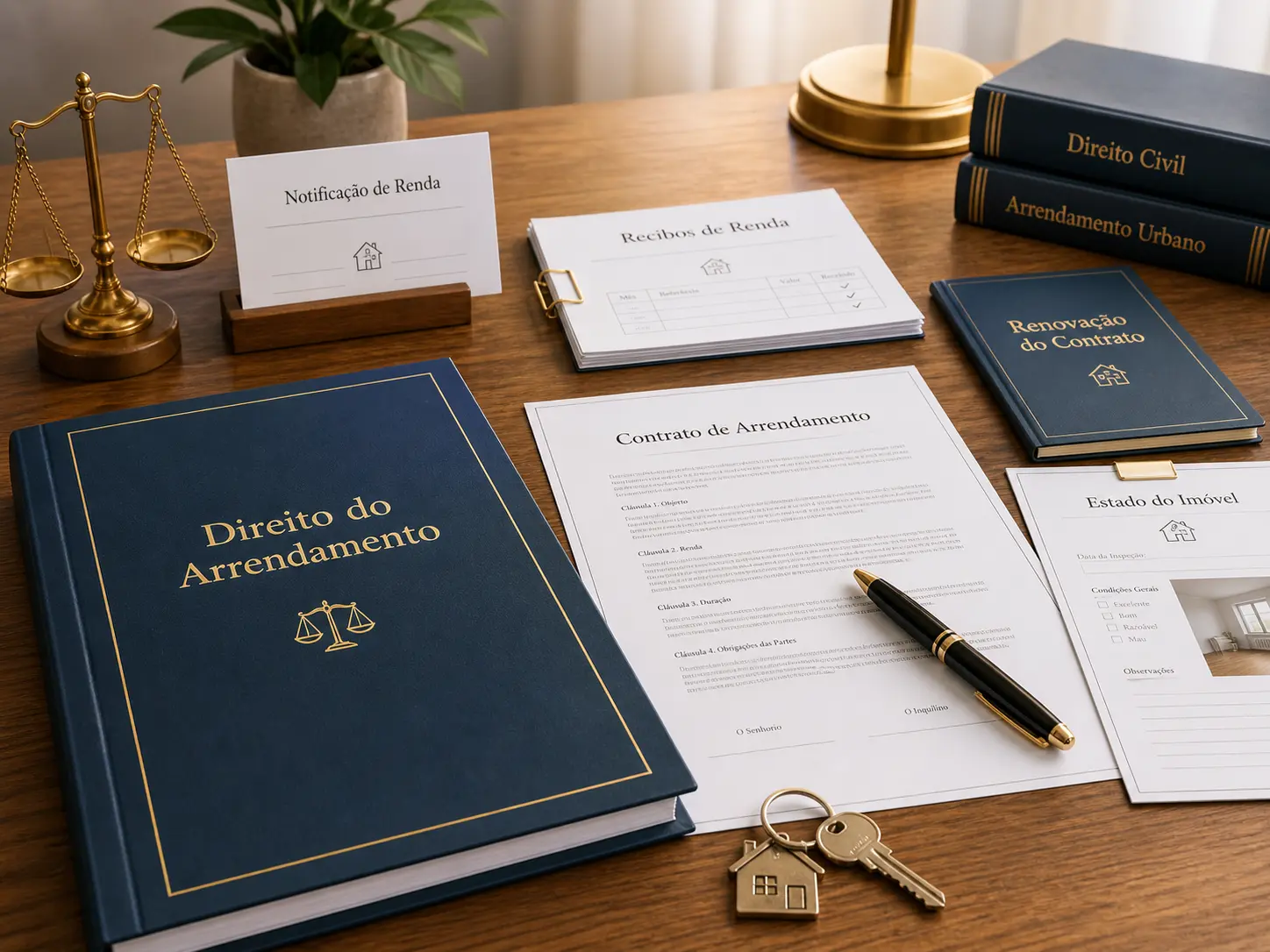
Tenancy involves rights and obligations for landlords and tenants, and it is essential that the agreement clearly sets out the term, rent, security deposits, indexation, maintenance of the property, works, termination, opposition to renewal and any other relevant conditions. We assist with the drafting and review of tenancy agreements, analysis of breaches, negotiation between the parties and support in proceedings relating to rent arrears, termination of the agreement, eviction or other rental disputes. Our work is focused on preventing disputes and protecting the client’s rights.
Areas of Practice
We assist in different situations relating to urban tenancy, assessing agreements, breaches, rights and available legal remedies.
Legal support at every stage
We support the client from contract review through to negotiation, formal notice, dispute resolution or court proceedings, where necessary.
Drafting and review of agreements
We prepare and review tenancy agreements to ensure clarity, legal compliance and protection of the client’s interests.
Analysis of rights and obligations
We assess the obligations of landlords and tenants, including rent, works, maintenance, timeframes, guarantees and legal notices.
Management of breaches
We intervene in situations involving rent arrears, improper use of the property, failure to maintain it or breach of contractual clauses.
Termination and eviction
We handle complaints, objections to renewal, lease termination and eviction proceedings, where applicable.
Frequently Asked Questions
We clarify some of the most common questions about tenancy agreements, overdue rent, termination of the contract and the rights of landlords and tenants
Must a tenancy agreement always be in writing?
Yes. A tenancy agreement must be made in writing and should set out essential details such as the parties’ identification, the property, purpose, duration, rent, security and any other agreed terms.
What can the landlord do if rent is overdue?
The landlord may notify the tenant to pay and, depending on the circumstances, proceed with the appropriate legal means to recover the rent or terminate the agreement. Action must comply with the time limits and formalities provided by law.
Can the tenant terminate the agreement before the end of the term?
In certain situations, the tenant may terminate the agreement, provided that the applicable notice periods are observed. The assessment depends on the type of agreement, its duration and the clauses agreed.
When is eviction possible?
Eviction may be possible in situations such as non-payment of rent, valid termination of the agreement, objection to renewal or serious breach. Each case requires an assessment of the documentation, time limits and notices served.
Book your legal consultation
Tell us about your situation. Our team will review your request with rigour, confidentiality and attention to detail.